Preventing Childhood Obesity: Building Healthy Habits Early
Childhood obesity has become a major global public health concern, affecting children across both developed and developing countries. While some weight gain is a normal part of growth and development, excessive weight gain can lead to serious health complications that extend into adulthood.
What Do the Statistics Say?
|
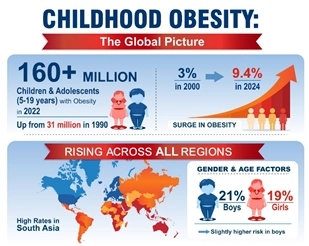
Childhood obesity is a rapidly growing
global health crisis, with the number of affected children and adolescents
rising sharply over the past three decades. India is experiencing
a similarly concerning trend. · Under-five obesity
rose by 127% and currently, nearly 33 million children in the country are
living with overweight or obesity. · By 2030, India is projected to contribute 11% of the global childhood obesity burden, with the affected population expected to surge to 83 million by 2035. |
Fig 1: Global Prevalence of Obesity in Children |
What Is Childhood Obesity?
Childhood obesity is a complex, long-term medical condition that occurs when a child’s weight is higher than what is considered healthy for their age, height, and sex. For children aged 2 years and older, obesity is medically defined as having a Body Mass Index (BMI) at or above the 95th percentile for age and sex.

Fig 2: Depicts the BMI based weight categorization in Children
What Causes Childhood Obesity?
There is no single cause of childhood obesity. It results from a combination of genetic, environmental, and lifestyle factors.
1. Poor Nutrition: Diets high in processed foods, added sugars, and unhealthy fats contribute significantly to weight gain. Increased portion sizes and easy access to inexpensive junk food further worsen the problem.
2. Lack of Physical Activity: Many children spend more time watching television, playing video games, or using mobile devices than engaging in active play.
3. Family Habits: Children tend to adopt the eating and activity patterns of their families. When healthy behaviors are modeled at home, children are more likely to follow them.
4. Socioeconomic Challenges: Limited access to affordable healthy foods and safe play areas can make it difficult for families to maintain healthy lifestyles.
5. Medical and Genetic Factors: Certain health conditions, medications, and genetic predispositions can also contribute to weight gain.
In addition, societal factors such as aggressive marketing of unhealthy foods, reduced physical education in schools, and unsafe outdoor environments further complicate prevention efforts.
Why Is Childhood Obesity Dangerous?
Childhood obesity affects much more than appearance. It increases the risk of serious health conditions, including:
|
Fig 3: Health Risks of Childhood Obesity |
5. Set Simple Routines for Better Sleep
|
Adequate
sleep is a powerful yet often overlooked pillar of a child’s health. Sleep
needs vary by age. ·
Preschoolers
require 10–13 hours
of sleep per day (including naps). ·
Children
aged 6–12 years need 9–12
hours of uninterrupted sleep each night, ·
Teenagers
aged 13–17 years should aim for 8–10
hours nightly. |
|
Fig
4: Depicts benefits of adequate sleep |


Fig: 5 The Long-Term
Benefits of Obesity Prevention
Related Articles

Pharmacological Options for Weight Management
Maintaining a healthy weight begins wi...
Read News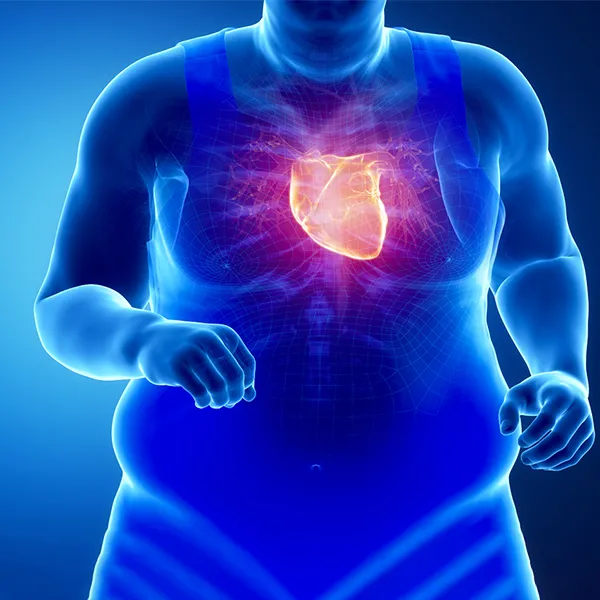
The Link Between Obesity and Heart Health
Most people know that obesity increases the r...
Read News
Exercise vs. Diet — What Matters More?
When it comes to weight loss and better healt...
Read News
Are Weight-Loss Supplements Safe? What You Should Know
Weight-loss supplements are widely advertised...
Read News
The Mindful Eating Approach: Reconnecting with Hunger Cues
Mindful eating is increasingly being recog...
Read News
Understanding the Weight Set Point Theory: Why weight keeps Returning?
Many people trying to lose weight experience a fru...
Read News